Ram Jeevan Vinod — Written Works
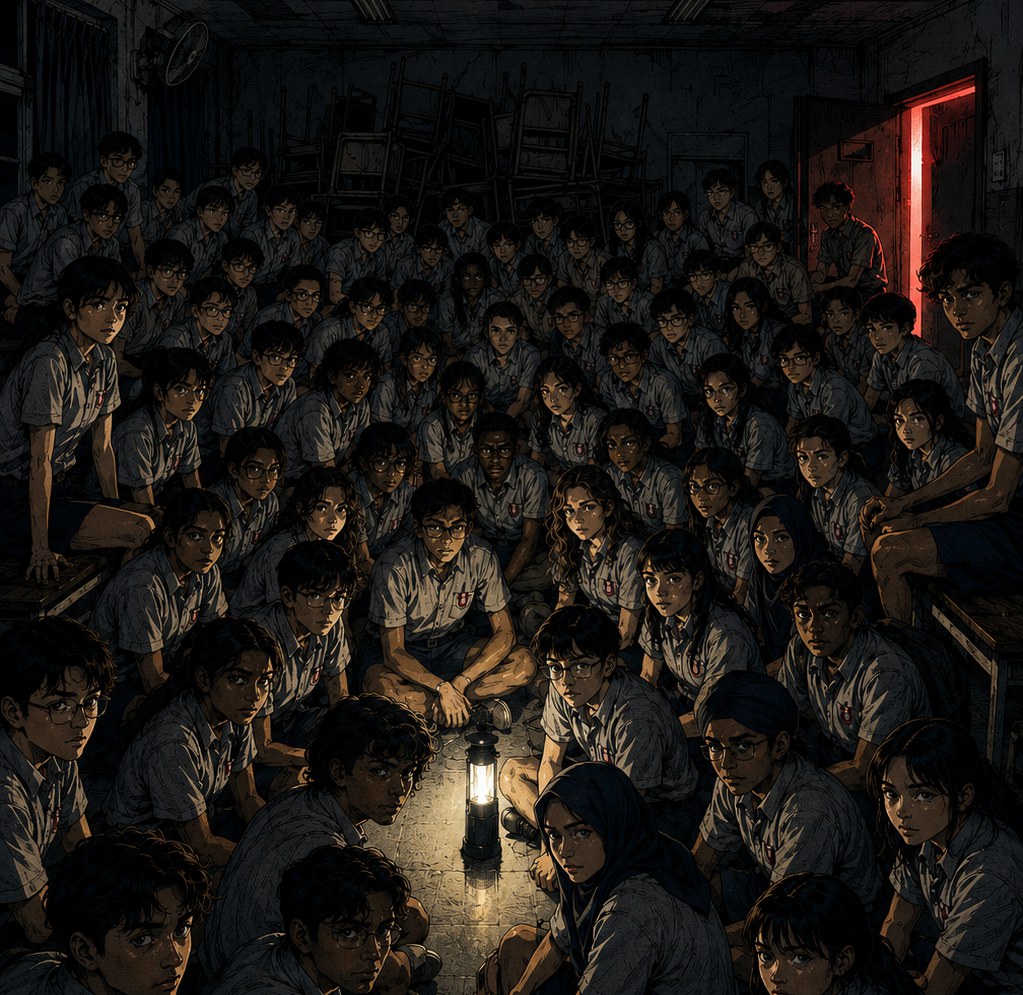
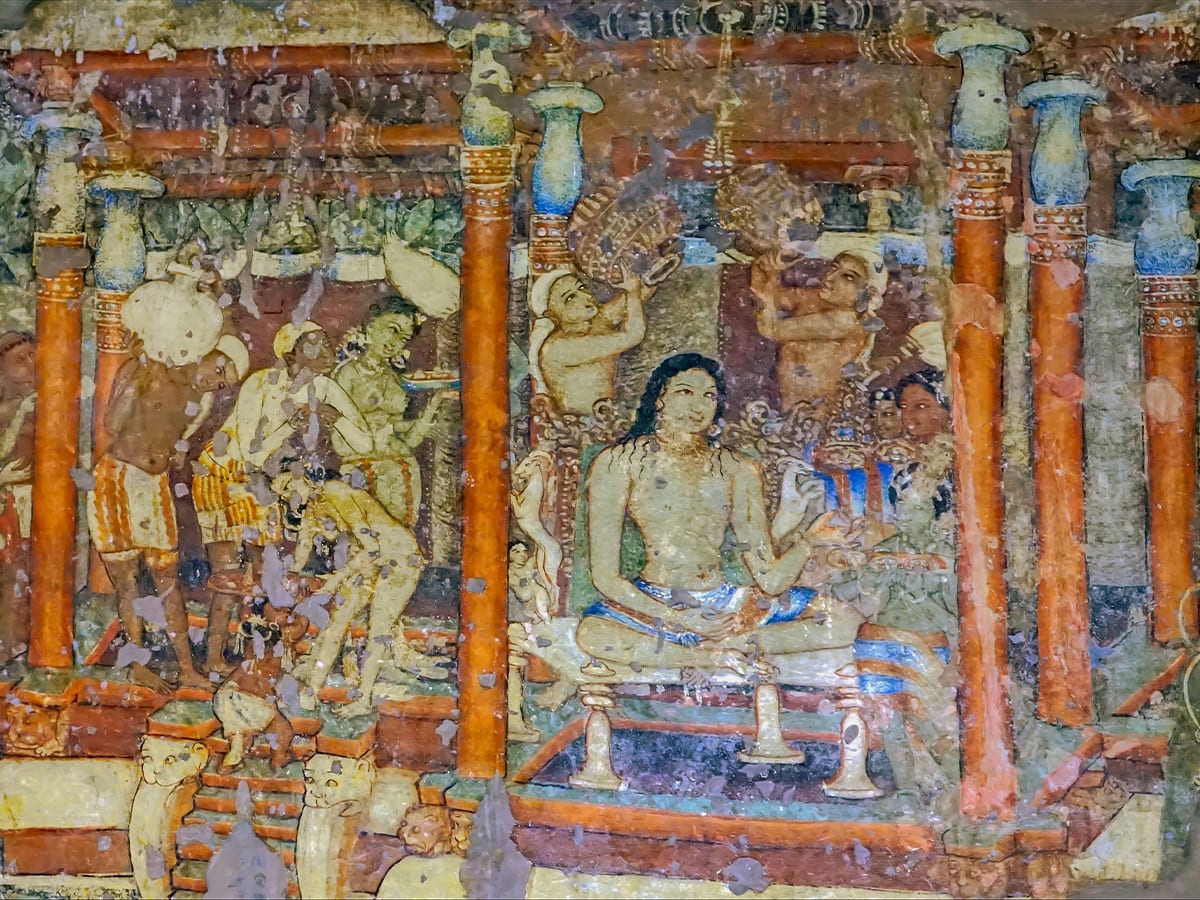

Dhoori - A Singapore-India travel mystery
My University Final Year Project: Dhoori is a travel mystery set in India, exploring the clash between national and cultural identity.

Written Works
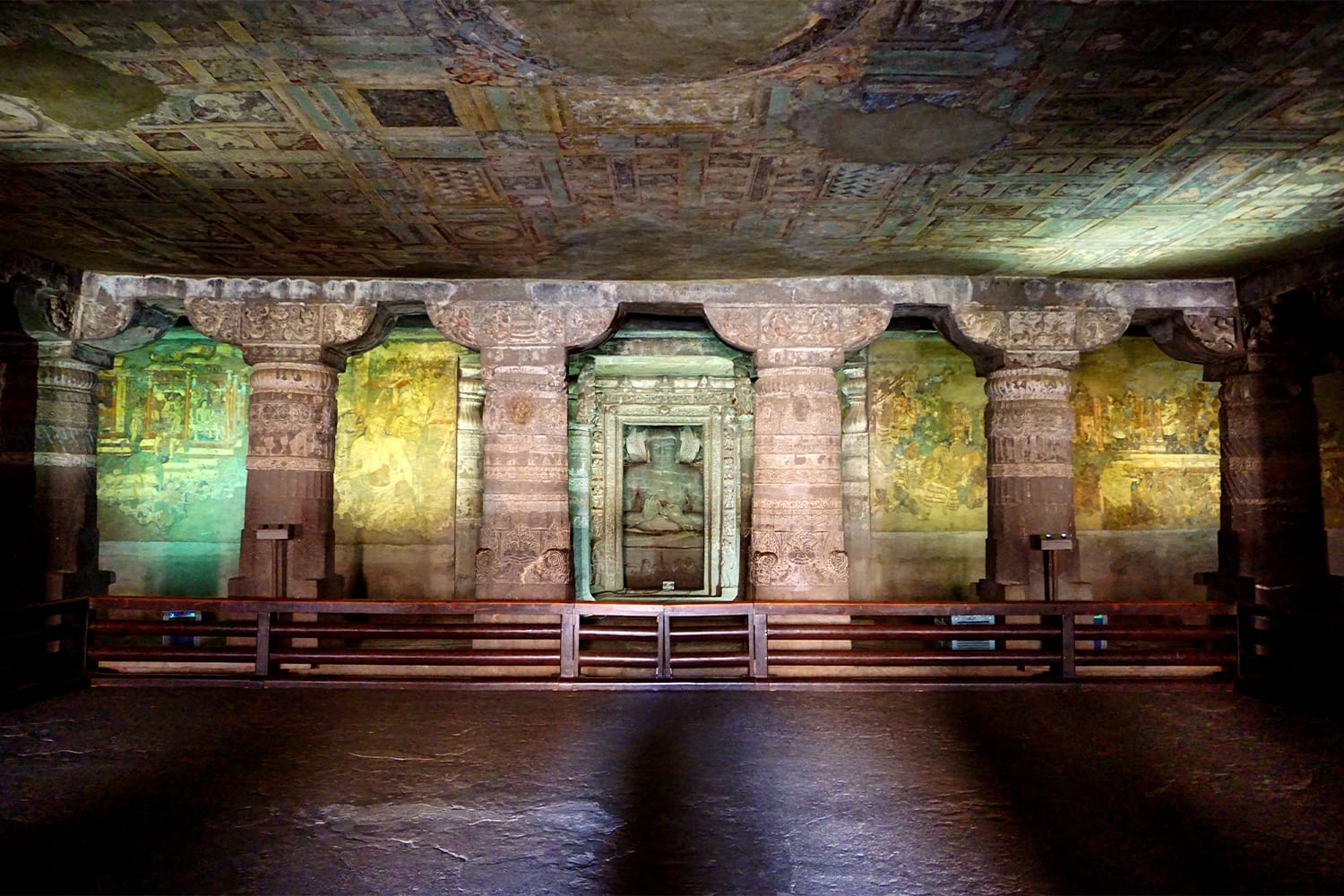
Art as Offering: Why Ancient Indian Artists Did Not Sign Their Work
The painters of Ajanta left no names. Not because they were erased — but because, within their tradition, signing a devotional work would have been a philosophical mistake.
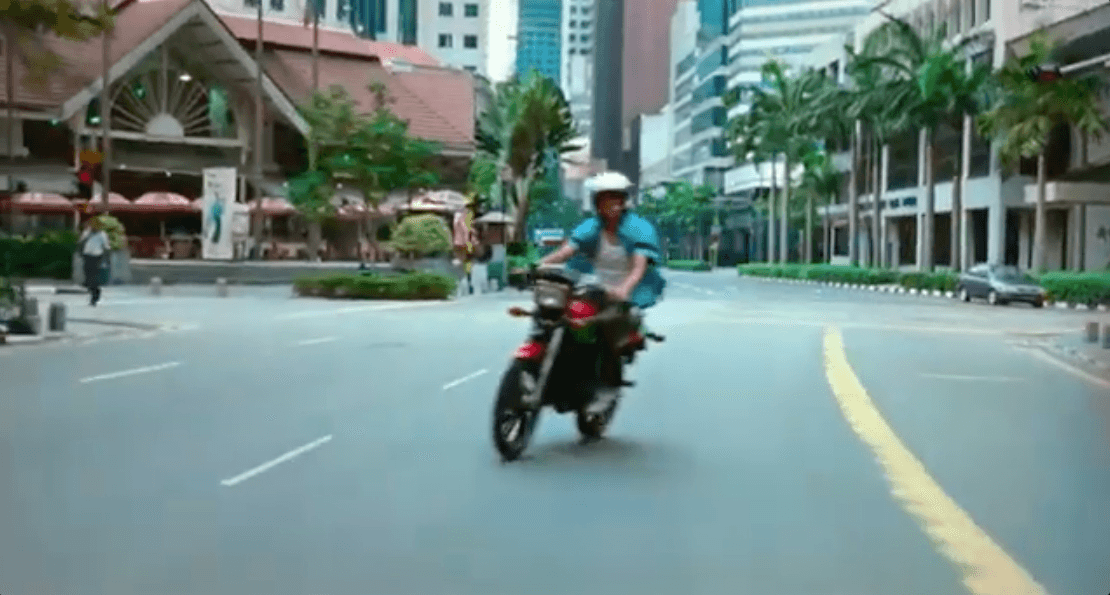
The Freedom of Exclusion - Singapore Cultural Identity in Eating Air (1999)
How does a 1999 Singapore film capture the tensions of national identity, race, and youth culture? A close reading of Eating Air through a cultural lens.
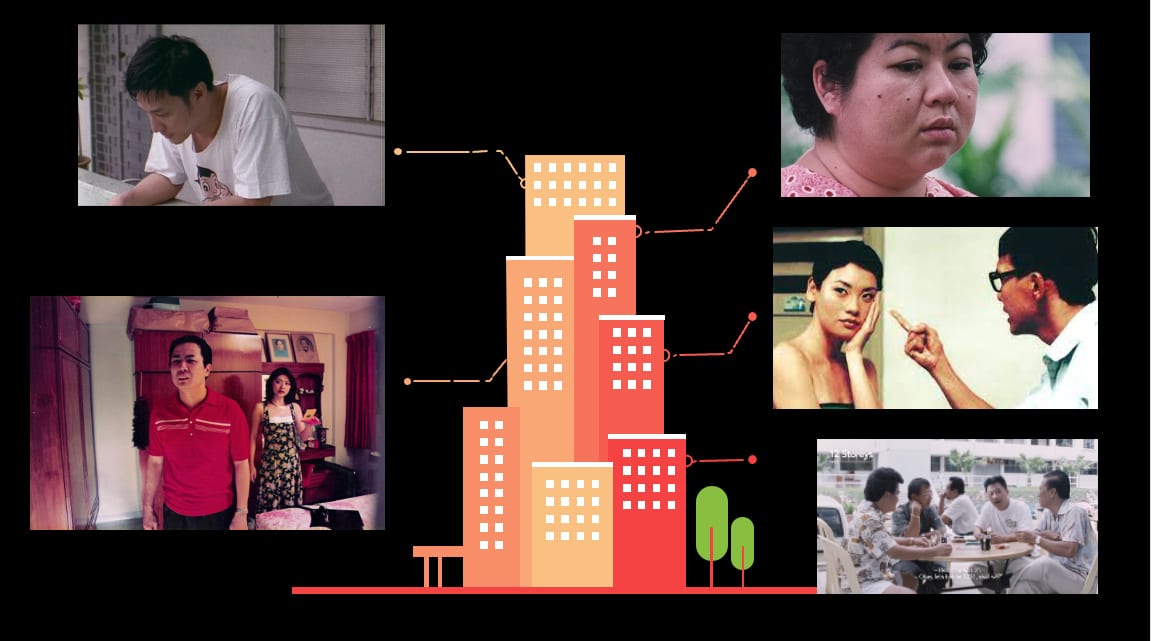
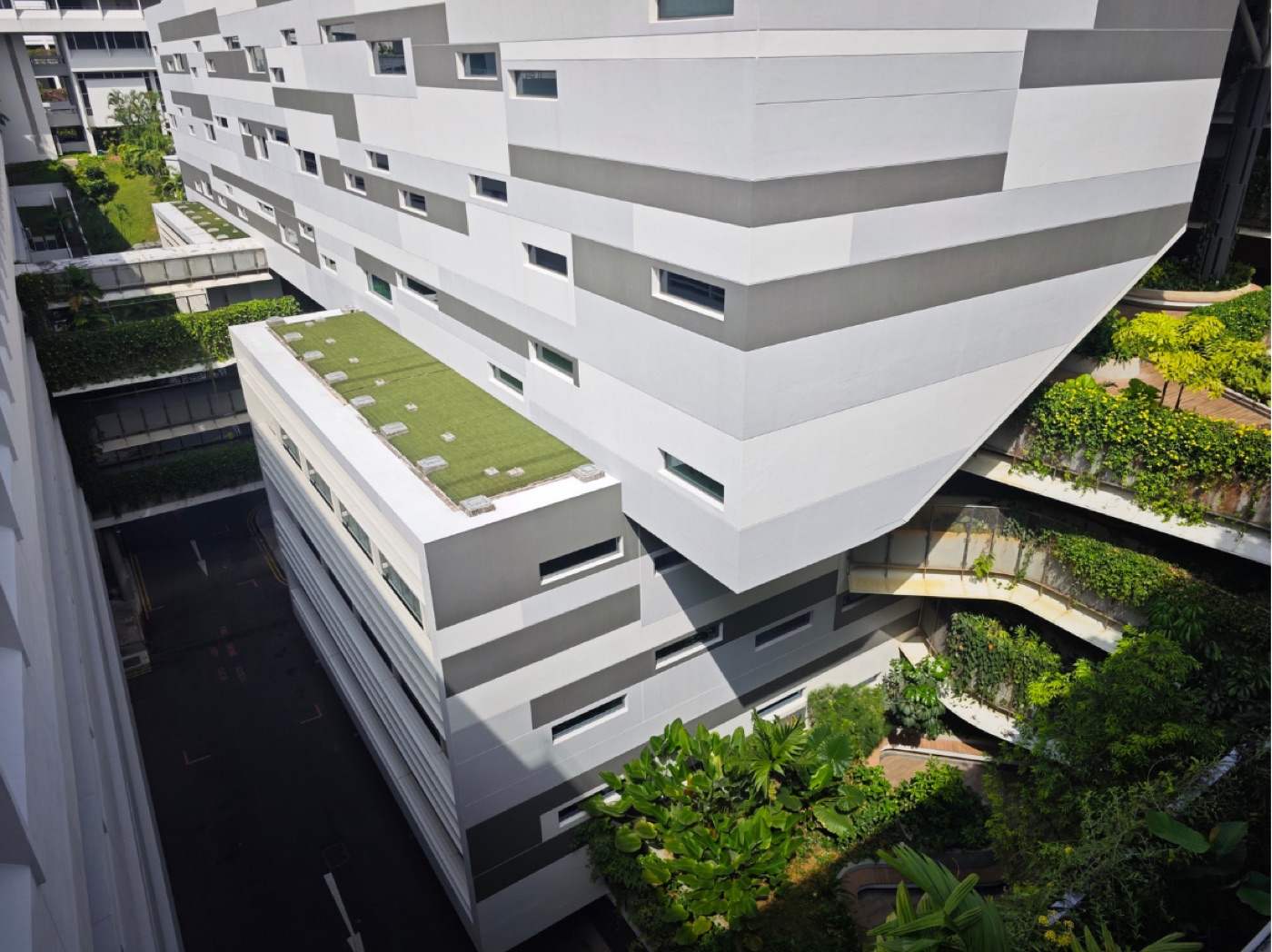
Singapore Urbanscapes - The minimisation of the individual in 12 Storeys
Eric Khoo's 12 Storeys uses the HDB flat to examine alienation and Singapore's modernisation — a film about urban loneliness that still resonates today.
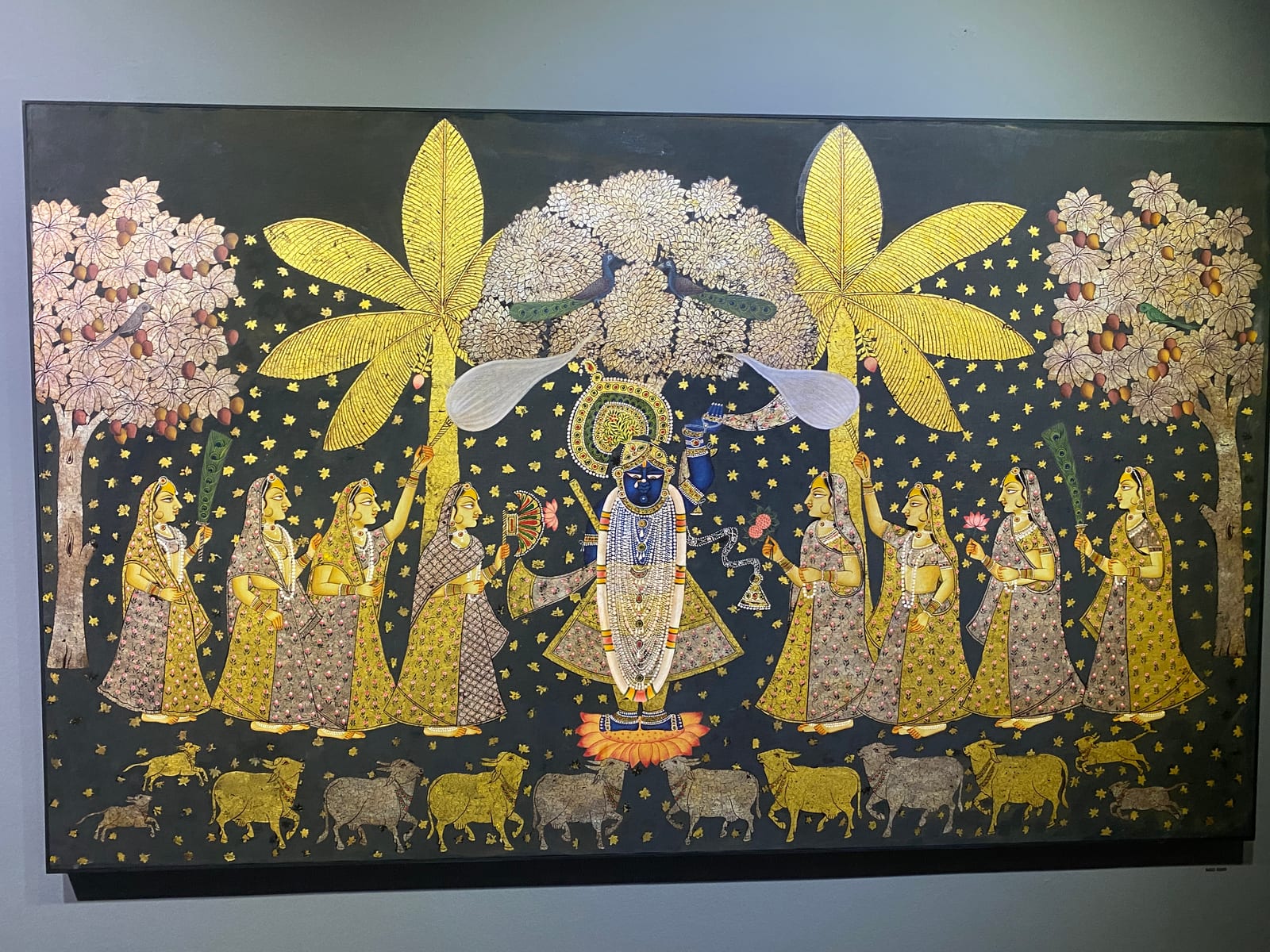
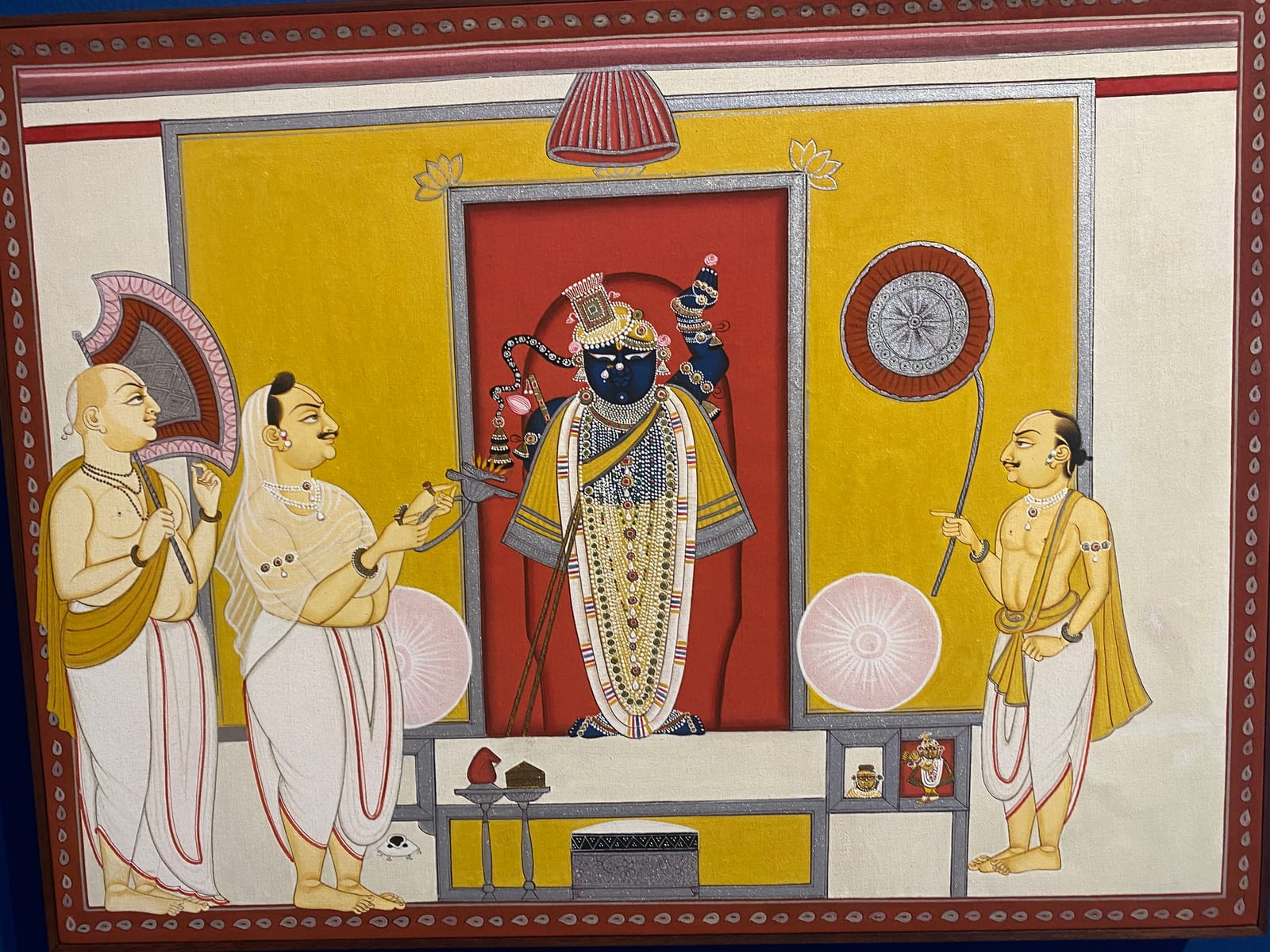
The Eye of the Beholder: Depictions of Bhakti Devotion in Pichvai Art
What makes Pichvai art sacred and beautiful? Part 2 examines how devotional painting transcends aesthetics to become an act of spiritual seeing.
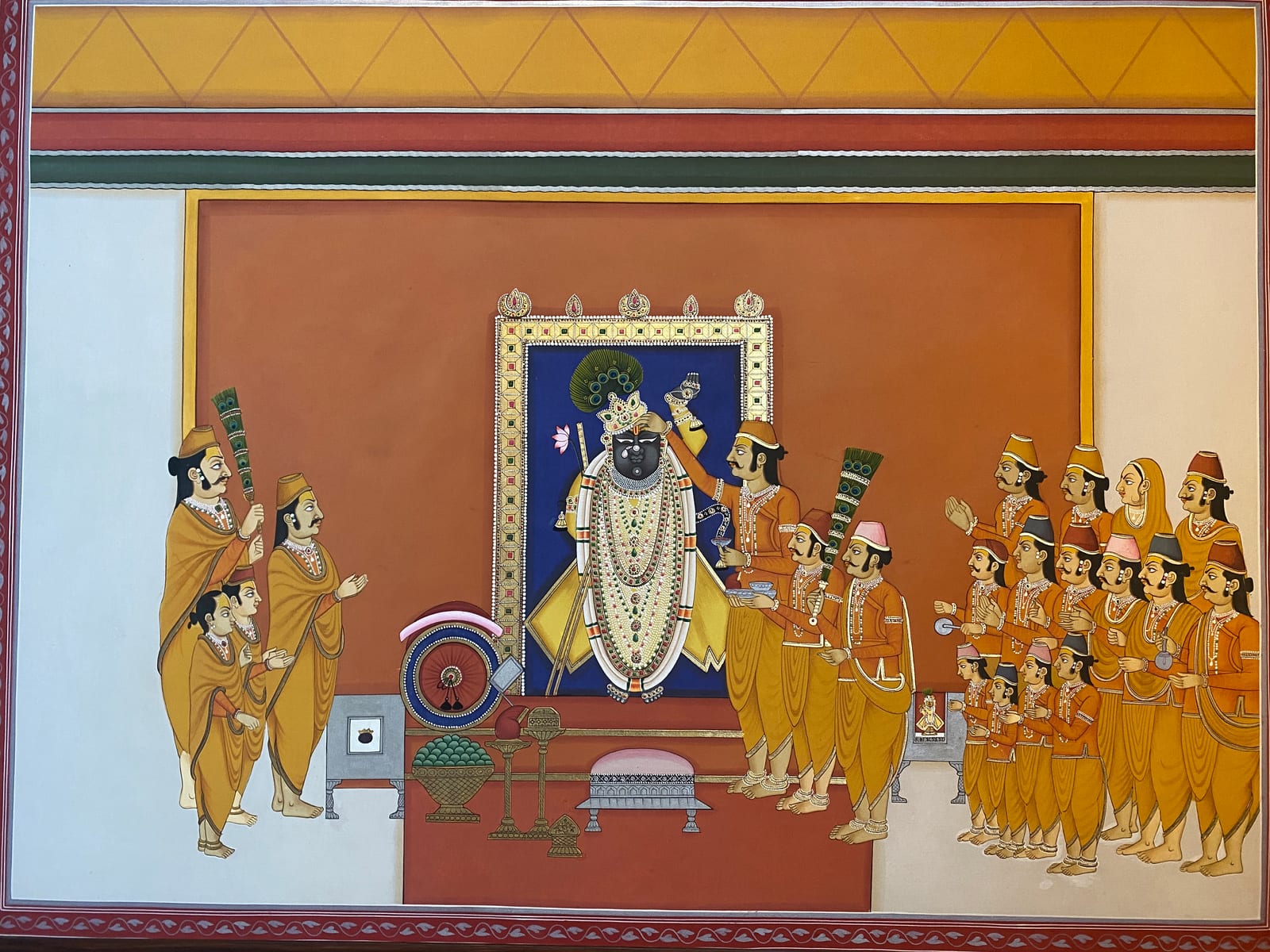
Pichvai Paintings and Bhakti: Art's role in Hindu worship
Pichvai paintings from Rajasthan's Nathdwara temples are devotional masterpieces. Part 1 explores Bhakti's visual language and what faith looks like in art.

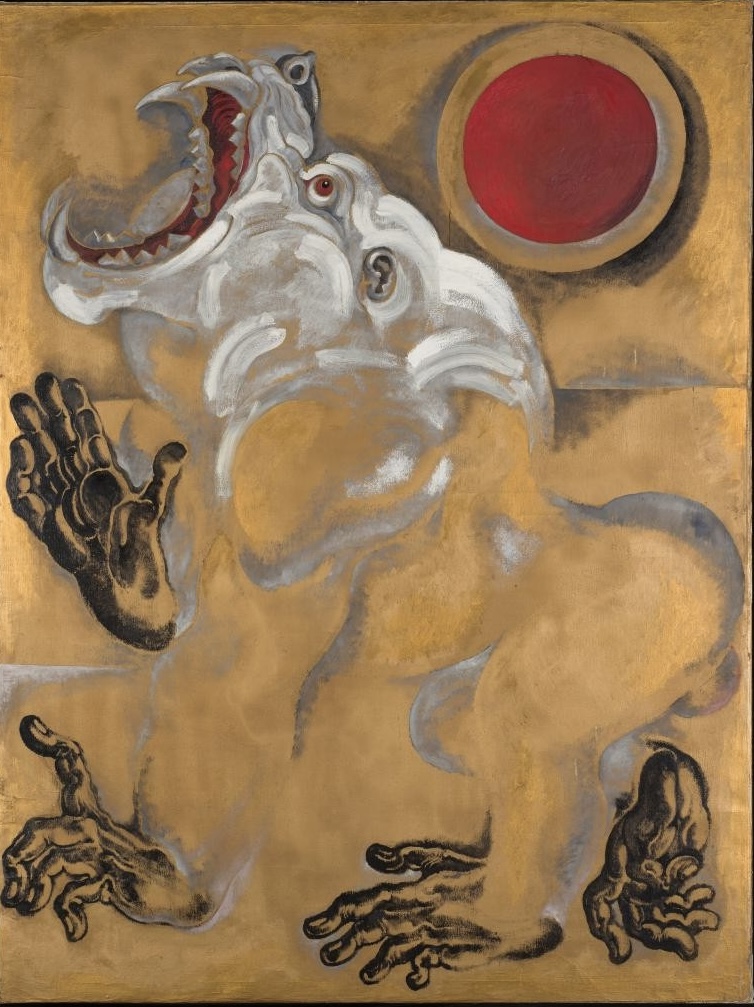
Mama's Boy - A Singapore Domestic Horror Story
A short horror story about a son, a mother, and the things we inherit. Mama's Boy explores family, fear, and the darkness that lives in domesticity.
Stories, Data & Essays
More than the essays: short fiction set in Singapore, data and machine-learning projects, and criticism.
View Portfolio →